









From “I Do” to “Get Me Out of These Shoes” — A Bride’s Honest Wedding Shoe Story
How to Make Wedding Shoes Comfortable (So You’re Not Barefoot Before the First Dance)
At 8:07am, your wedding shoes are flawless.
They’re sitting by the window in soft morning light like they belong in a bridal magazine spread. Ivory satin. Elegant heel. The exact pair you imagined when you pinned “dream wedding shoes” at 1am six months ago.
You slide them on.
You stand up.
You take a few graceful steps across the carpet.
“These are actually comfortable,” you think.
And at that moment — they are.
Fast forward to 5:32pm.
You’re smiling politely during group photos while internally wondering if it would be socially acceptable to start the reception barefoot.
By 7:15pm, you’ve located the emergency flip flops.
By 8:40pm, you’re emotionally attached to them.
If you’re searching for how to make wedding shoes comfortable, this is the part no one talks about — but every bride understands.
The Reality of Wearing Bridal Heels All Day
Wedding heels aren’t worn for an hour.
They’re worn for:
-
Getting ready photos
-
Standing during the ceremony
-
Walking on gravel paths
-
Posing for 347 photos
-
Greeting every guest
-
Standing again for speeches
-
And eventually, dancing like no one’s watching (even though everyone is)
Even the most beautiful comfortable bridal heels change after 6+ hours.
Because your feet change.
Why Wedding Shoes Start to Hurt (Even When They Fit Perfectly)
Your feet are not static.
They don’t stay “bridal boutique perfect” all day.
Here’s what’s actually happening inside those gorgeous heels:
1️⃣ Your Feet Swell
Standing for long periods causes fluid to collect in your lower limbs. Even subtle swelling makes shoes feel tighter.
That “perfect fit” at 8am?
By 4pm it feels like your toes are negotiating for space.
2️⃣ Your Muscles Get Tired
Those tiny stabilising muscles in your feet are working constantly in heels.
As they fatigue:
-
Your arch lowers slightly.
-
Your toes grip the insole.
-
Your foot slides forward.
It’s subtle — but constant.
3️⃣ Friction Turns Into Wedding Shoe Blisters
Blisters aren’t dramatic.
They’re persistent.
When your foot shifts forward:
-
Your heel lifts slightly.
-
The back of the shoe rubs.
-
Heat builds.
-
Skin becomes irritated.
By the time the cake is cut, you’re calculating how many hours remain before you can legally remove them.
And somewhere in the venue, a basket of flip flops is glowing like a beacon of hope.
Why Non-Slip Wedding Shoes Matter More Than You Think
Now let’s talk about the other silent villain: slippery soles.
Most bridal shoes have:
-
Smooth leather bottoms
-
Satin-covered soles
-
Zero tread
-
That glossy, just-out-of-the-box finish
Brand new = extra slippery.
When you step onto a polished wooden dance floor for your first dance, your body does tiny balance corrections with every movement.
You don’t even notice it consciously.
But your muscles do.
More correcting.
More fatigue.
More sliding inside the shoe.
More friction.
And suddenly you’re Googling how to stop wedding shoes slipping at midnight the week before your wedding.
How to Break In Wedding Shoes (Without Ruining Them)
If you want genuinely comfortable wedding shoes, preparation is key.
Here’s how to break in wedding shoes properly:
-
Wear them around the house with thick socks.
-
Walk on hard floors — not just carpet.
-
Stand still in them while making dinner.
-
Practice slow turns (future first dance energy).
-
Gradually increase the time you wear them.
Bonus: vacuum in them. It’s oddly confidence-boosting.
Breaking them in softens materials and allows your feet to adjust to the heel position.
But breaking them in doesn’t fix slipping.
How to Stop Wedding Shoes Slipping (Without Changing Them)
If your shoes feel slippery on your kitchen tiles, they’ll feel like ice skates on a polished venue floor.
Improving traction underneath the sole reduces:
-
External slipping
-
Constant muscle correction
-
Internal foot movement
-
Blister-causing friction
That’s why brides search for non-slip wedding shoes.
But here’s the thing: you don’t have to replace your dream heels.
You can improve them.
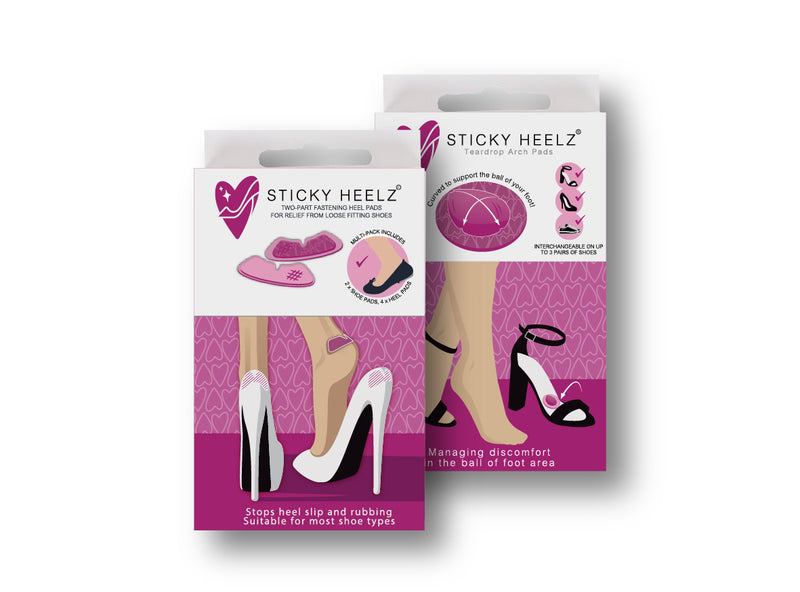
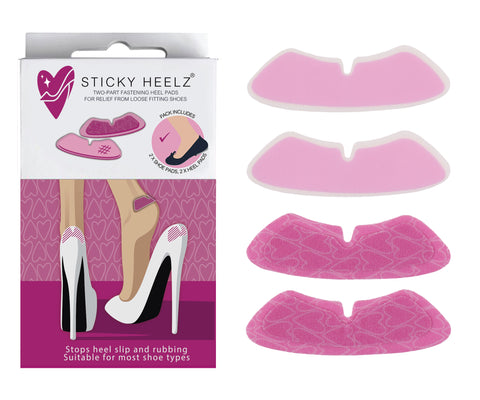
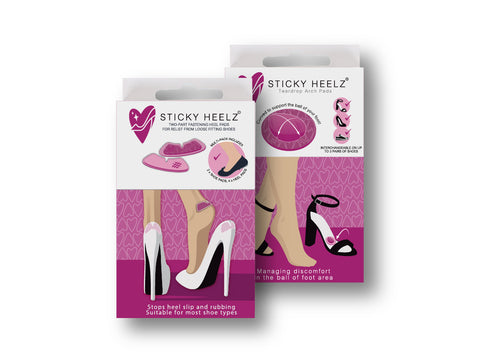
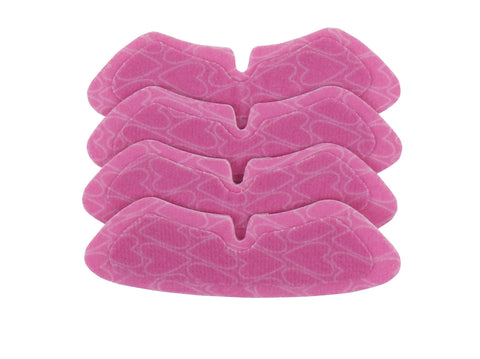
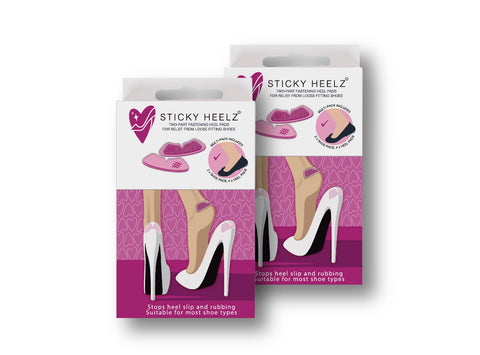
Adding discreet grip — like Sticky Heelz — helps stabilise each step without changing the look of your bridal shoes.
Less slipping.
Less toe-gripping.
Less internal sliding.
Less “I need those flip flops immediately.”
It’s not about turning your heels into hiking boots.
It’s about letting your body relax inside them.
From Aisle to Afterparty — Stay in the Shoes You Love
There’s something symbolic about staying in your wedding shoes all night.
You walked toward your partner in them.
You stood steady for your vows in them.
You danced your first dance in them.
They deserve better than being abandoned under the top table before sunset.
Yes, pack emergency flats if you want to.
Yes, flip flops at midnight are iconic.
But you shouldn’t feel desperate to escape your wedding shoes before the speeches.
When you understand how your feet swell, fatigue, and shift — and you reduce slipping and friction — everything changes.
Because comfortable wedding shoes aren’t about sacrificing style.
They’re about preparation.
Stability.
Support.
And a little clever thinking.
So when someone says, “How are your feet holding up?”
You can smile — genuinely.
And keep dancing.
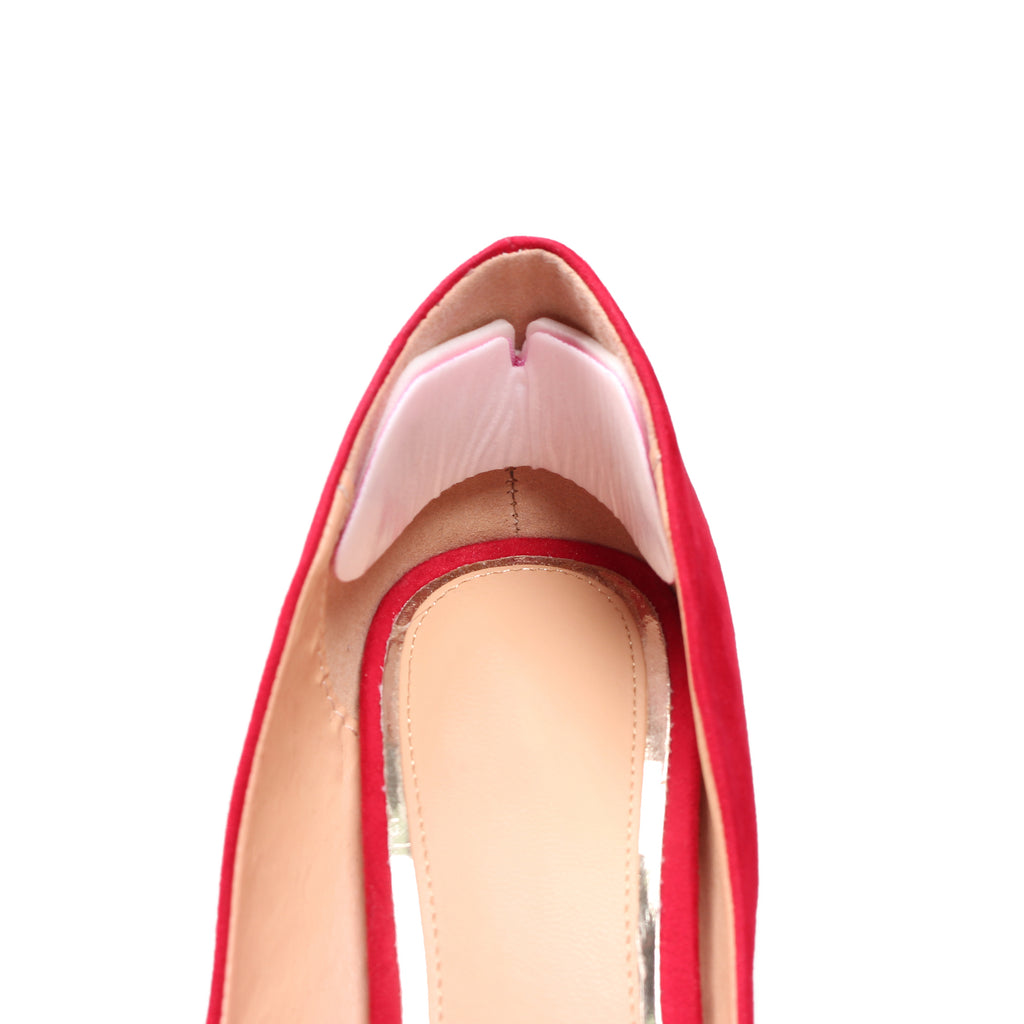
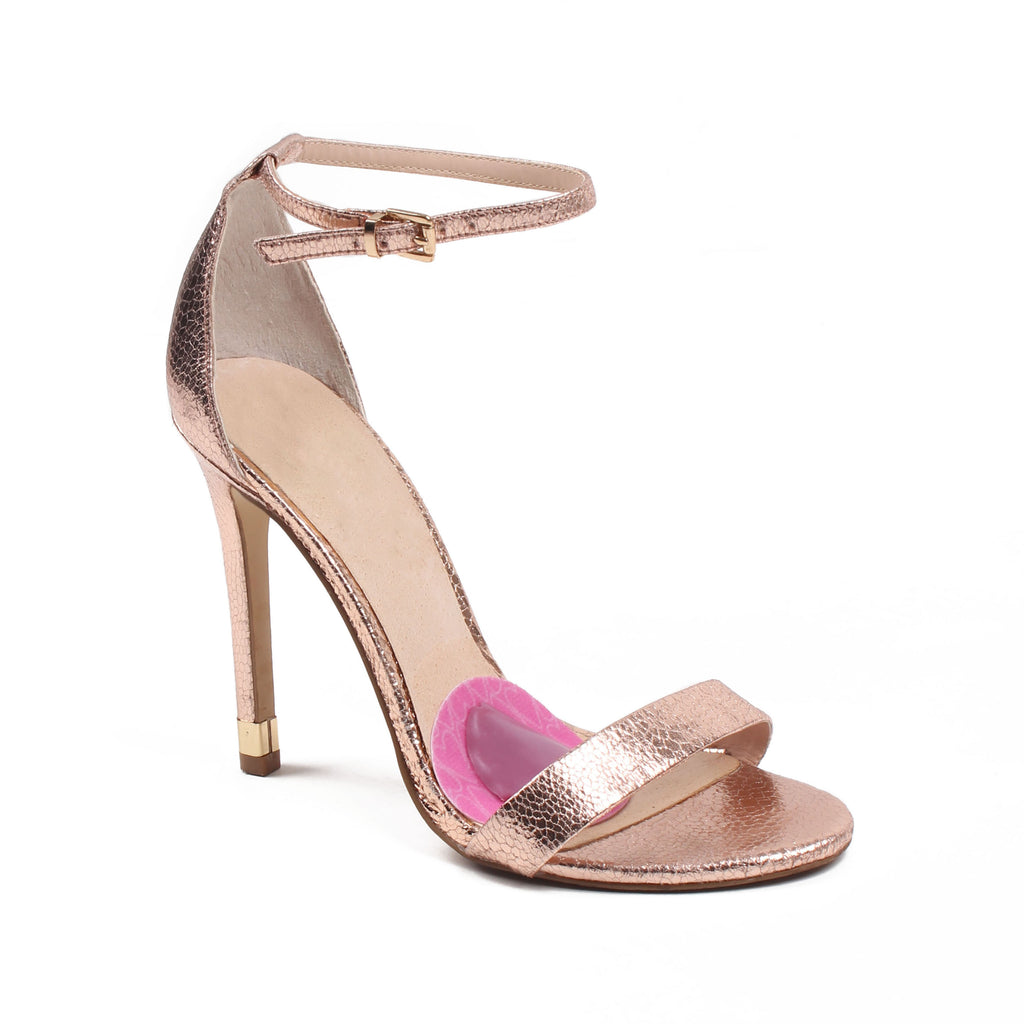
Stop Shoe Slipping
Uisng our two part shoe pad and heel pad that connect to secure the foot inside the shoe your shoes will stay firmly in place with no shoe slip or rubbing and blistering.